
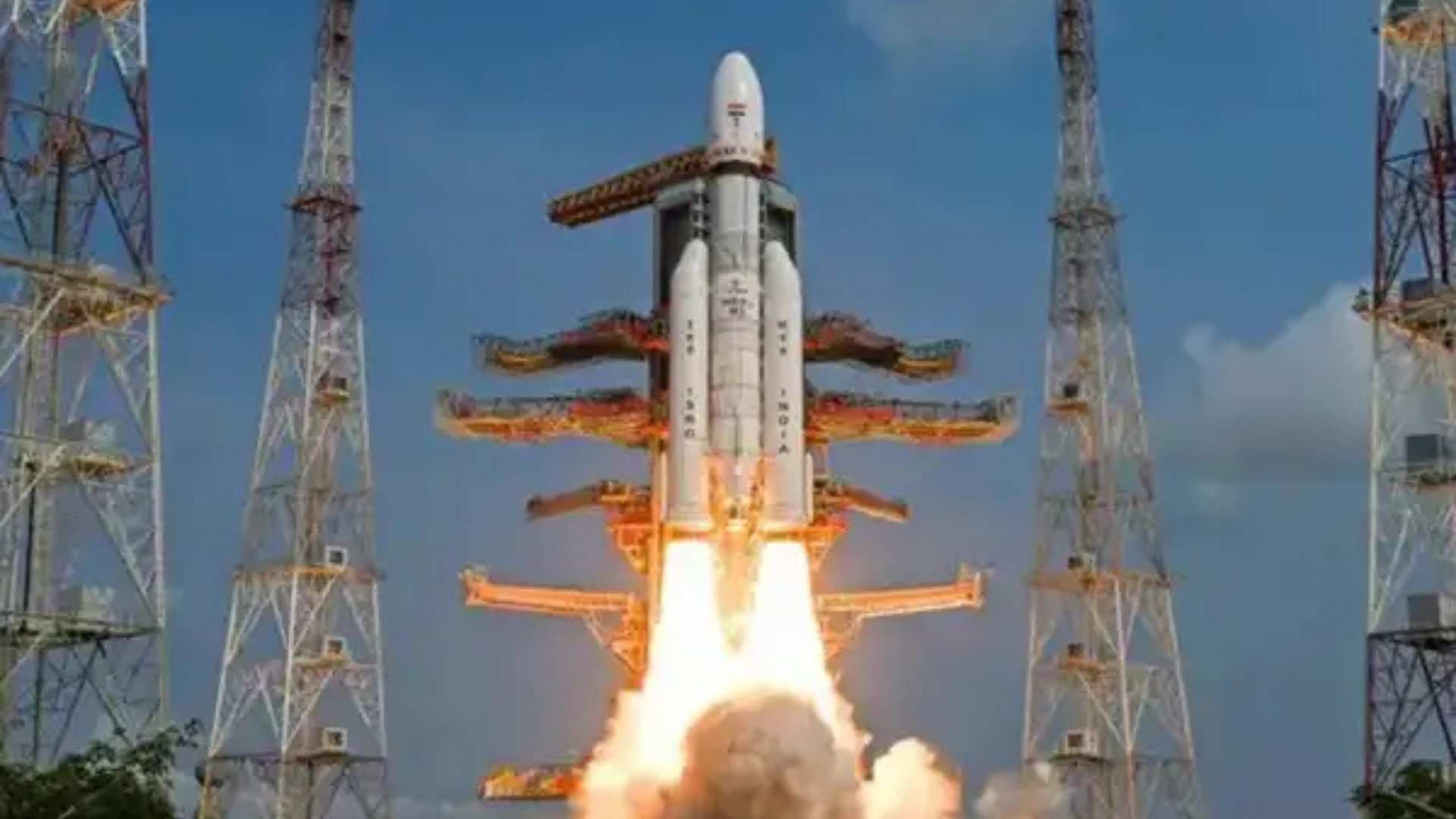
1. Context: PSLV and India’s Space Credibility
The Polar Satellite Launch Vehicle (PSLV) has long been regarded as the backbone of India’s space programme, symbolising reliability, cost-effectiveness, and technological maturity. Its consistent performance enabled India to build credibility as a dependable launch service provider in both strategic and commercial domains.
In recent years, PSLV has also been positioned as a commercial product in the global launch market. This transition elevates the importance of reliability, transparency, and risk management, as international clients and insurers closely track failure histories.
Repeated mission failures in such a mature system therefore carry implications beyond a single launch, affecting India’s institutional credibility and strategic standing in the global space ecosystem.
In high-technology governance, the reliability of mature systems underpins national credibility; ignoring this risks reputational erosion that cannot be offset by past successes.
2. Issue: Repeated Mission Failures and Systemic Signals
The failure of the PSLV-C62 mission in January 2026, following the PSLV-C61 failure in May 2025, highlights a troubling pattern. Both missions experienced anomalies in the third stage, suggesting unresolved systemic issues rather than isolated technical glitches.
Given the maturity of PSLV technology, such repeat failures point towards weaknesses in quality assurance, testing, or verification processes. These failures undermine the assumption that legacy systems are inherently low-risk.
If such warning signals are not addressed comprehensively, they increase the probability of recurrence and institutional complacency.
In mature technological systems, repetition of failure usually indicates process breakdowns; overlooking this leads to cascading operational risks.
3. Transparency and Failure Analysis Culture
Failure analysis is a cornerstone of scientific and engineering progress, especially in high-risk sectors like space. Transparent diagnosis enables organisational learning, peer scrutiny, and systemic correction.
In the PSLV-C61 case, the Failure Analysis Committee (FAC) report was not made public and was instead submitted to the Prime Minister’s Office. This marked a departure from ISRO’s traditional culture of openness.
Limited disclosure constrains external review and weakens trust, both within the scientific community and among global partners.
Transparency in failure management strengthens institutional learning; secrecy, if routine, risks normalising unresolved flaws.
4. Governance Choices and Leadership Priorities
The article points to a broader shift in ISRO’s organisational culture, from scientific openness towards a more guarded and bureaucratic posture. This shift is attributed to leadership decisions prioritising launch cadence and operational continuity.
While maintaining a high frequency of launches is important for national and commercial objectives, proceeding without fully closing failure loops raises concerns about governance priorities.
Balancing speed with safety is a critical leadership challenge in complex technological institutions.
Governance failures often arise not from lack of expertise, but from skewed priorities; ignoring caution in favour of pace magnifies systemic vulnerability.
5. Commercialisation and Risk Implications
Under NewSpace India Limited (NSIL), PSLV has been marketed as a commercial launch vehicle in a competitive global market. In such an environment, failure histories directly influence insurance risk assessments.
Repeated failures prompt international insurers to reassess the PSLV’s risk profile, potentially increasing insurance premiums. This directly affects launch affordability and competitiveness.
Consequently, technological failures translate into financial and strategic costs for India’s space ambitions.
Impacts:
- Higher insurance premiums for PSLV launches
- Reduced price competitiveness in the global launch market
- Strategic embarrassment for a country aspiring to be a net provider in space
In commercialised public technology, reliability is inseparable from economic viability; ignoring market perceptions undermines strategic objectives.
6. Way Forward: Rebuilding Quality Assurance and Trust
The article underscores the need for ISRO to rebuild robust quality assurance and verification protocols, particularly for legacy systems. Mature technology demands continual vigilance, not relaxed oversight.
Reaffirming transparency in failure analysis can restore institutional credibility and reinforce a culture of learning. This is essential not only for technical correction but also for maintaining stakeholder trust.
Strengthening governance processes will enable India to sustain its dual goals of strategic autonomy and commercial competitiveness in space.
“In science, there is no such thing as a setback. There are only lessons.” — APJ Abdul Kalam
Long-term technological leadership depends on learning from failure; ignoring this converts temporary setbacks into structural decline.
Conclusion
The repeated failures of PSLV missions highlight deeper governance and quality assurance challenges within India’s space programme. Addressing these issues through transparent failure analysis, strengthened processes, and balanced leadership priorities is essential to safeguard India’s long-term space ambitions and global credibility.
